GBR Urgently needs a Brand Strategy
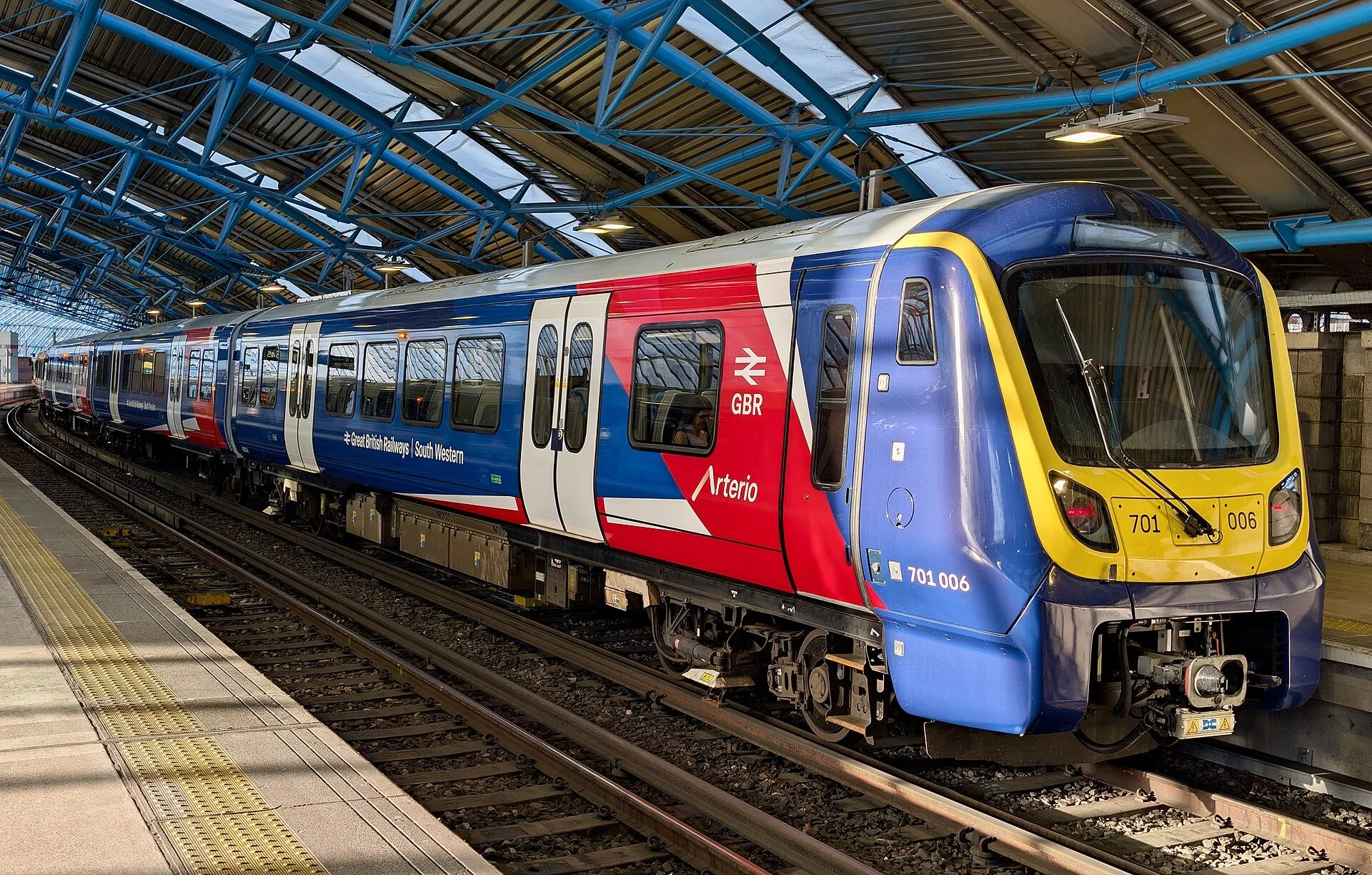
This picture really scares me.
Trains are already being painted before - as far as I can tell - there is a coherent GBR brand strategy - or a CEO who understands and is willing to stand behind the consequences of branding decisions. This worries me a great deal.
For clarity, this is not a point about logo or livery.
It is a point about brand.
And brand influences almost everything about a company.
Brand comes first
Go and look at how any successful fast-moving consumer goods company is run, and you will find that the brand comes first and everything else follows from it.
Procter & Gamble does not make a soap and then work out who might buy it. It’s now so well established that Fairy doesn’t chap your hands that we’ve almost forgotten that the ubiquity of Fairy liquid resulted from a determination that Fairy wouldn’t leave you with chapped hands, at a time when it was assumed washing up liquid would. Both the science and the advertising followed from that brand promise. The same for Daz. Those of a certain age who remember Danny Baker know that he was the end of the process, not the start. (Apologies to anyone under 40 who hasn’t a clue what I’m talking about).
The brand sets the promise… and the promise sets the expectation - and the expectation shapes what the company chooses to do and how it chooses to behave.
This matters for reasons that go well beyond marketing.
The first is the customer. The core purpose of a brand is to tell customers what to expect, so that they can choose well and trust what they have chosen.
The second is the culture. A brand tells the people who work for a company what they are there to do. The staff who work on Fairy know they are in the business of being trusted, and that knowledge guides a thousand small decisions that no head office instruction could ever reach. N0-one’s going to mess with the chemical formulation of Fairy in a way that might risk chapping! But - if they didn’t understand the brand promise - they so easily could, when the FD comes knocking and demanding savings. A certain chemical’s a bit cheaper and cleans the dishes just as well. Why wouldn’t you?
Brand drives outcomes for customers, and it drives the culture that delivers those outcomes.
That is why it cannot be an afterthought.
So what is the GBR brand strategy?
So the core purpose of a brand is to set customer expectations, and the GBR brand strategy, as far as I can tell, is a single national brand covering everything.
I don’t think that will work as, bluntly, the Island line is very different from LNER.
Think about how Meta runs its brands.
Instagram, Facebook and WhatsApp are all social media platforms, owned by the same company, and yet they are deliberately kept as separate brands, because you have different expectations of each of them.
If all three were simply called "Meta", customers would have no way of navigating the difference between them. The separate brands are how customers find the product that suits them.
If it has already been decided that everything in GBR will sit under one brand, then everything in GBR will, over time, have to become the same. A single brand promise can only promise one thing.
We hear a great deal about how GBR is going to be devolved and empowering. I hate to say it, but a single brand doesn’t deliver devolution or empowerment.
The bit that truly terrifies me
The thing that genuinely frightened me - and prompted this post - was listening to the Secretary of State at the Transport Select Committee on 17 June.
She described how they have not yet worked out what to call Cross Country, because its trains run across every infrastructure region, whereas other services will be named after the infrastructure region they sit in, so that we end up with something like "GBR Great Western" (I hope! “GBR GWR” would be a mouthful…).
An infrastructure region is a truly terrible basis for a brand architecture.
Customers have no interest whatsoever in infrastructure regions. They are interested in their experience.
Let me show you what I mean by looking at how other state railways do it.
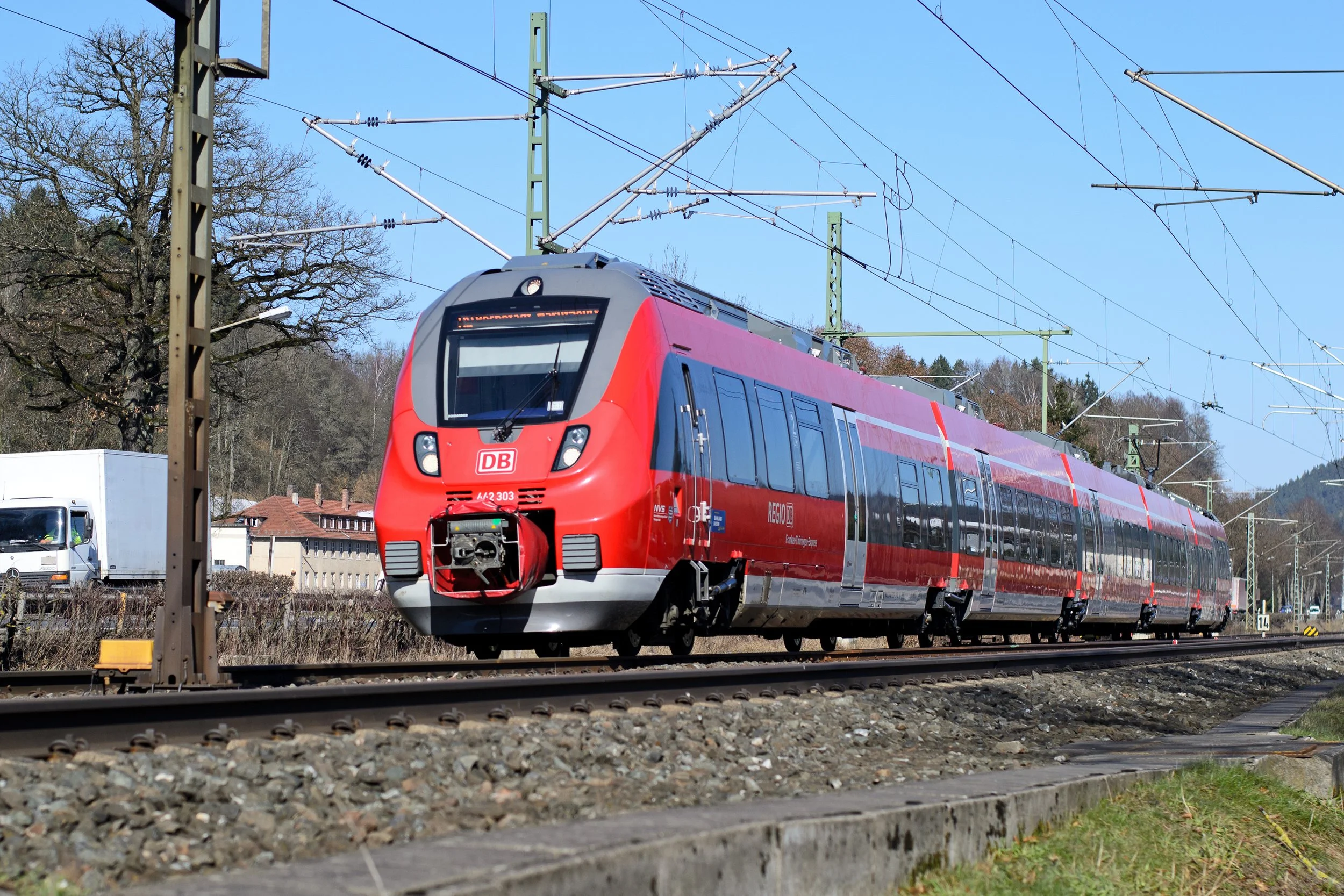
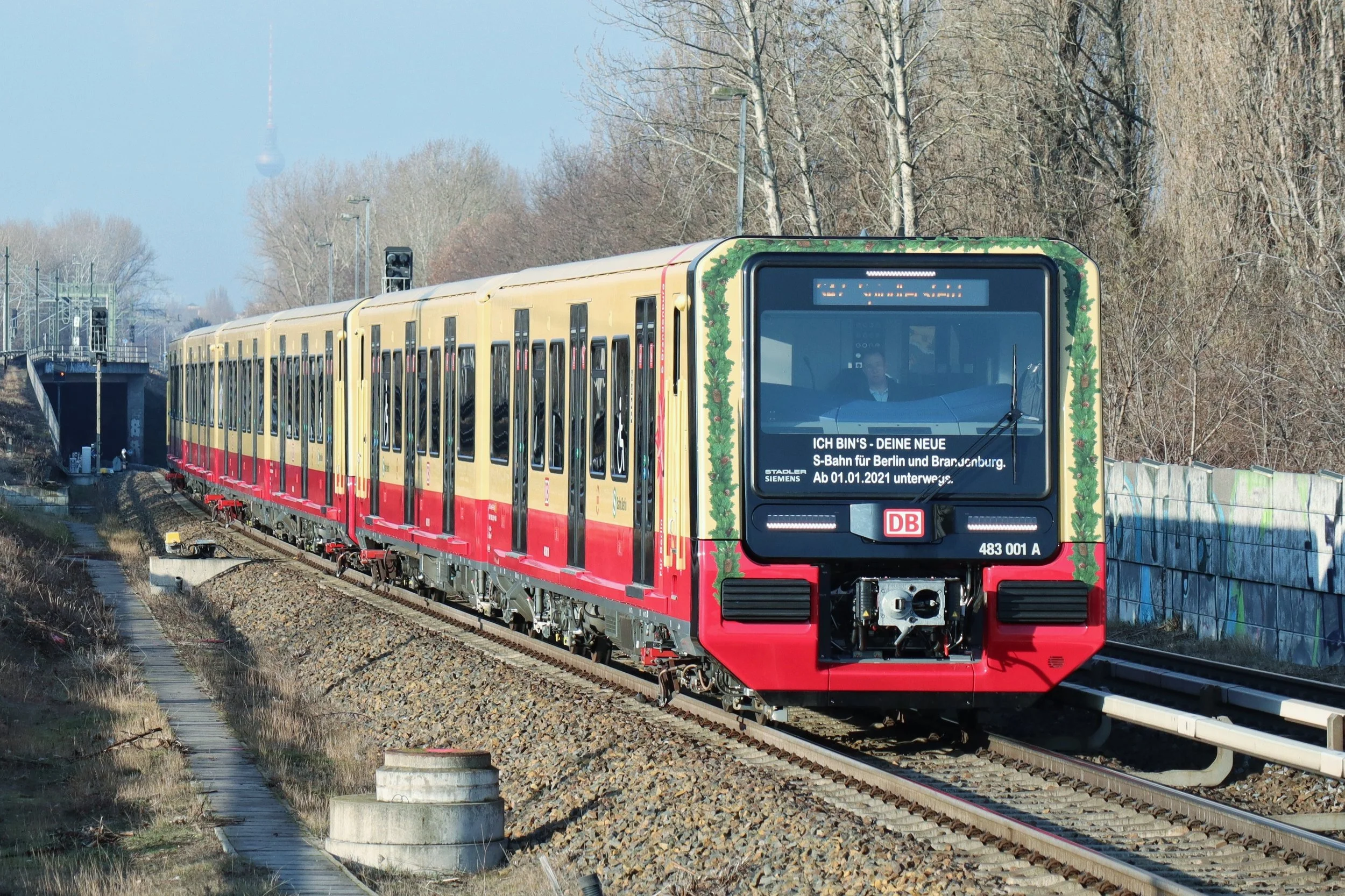
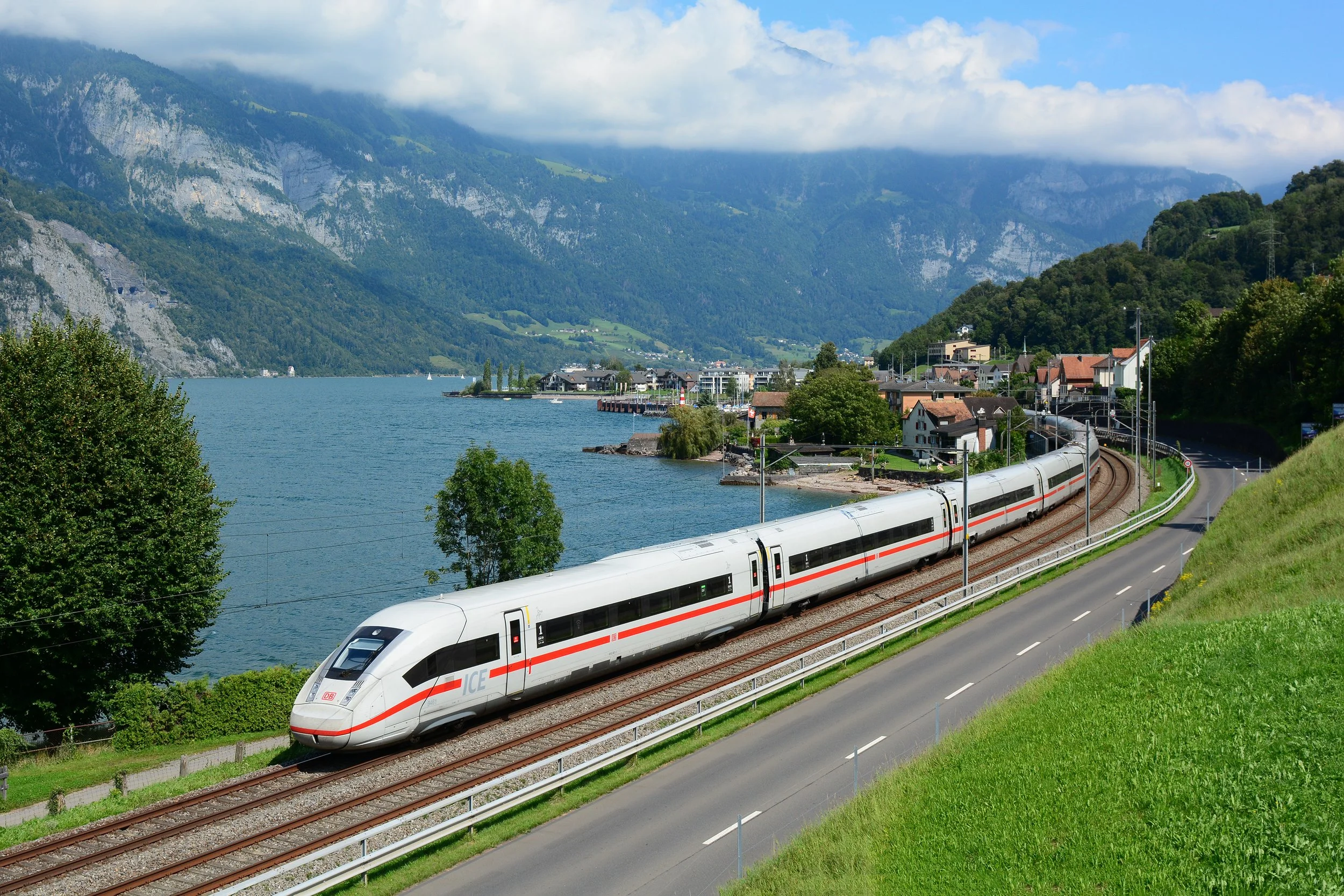
In Germany, Deutsche Bahn runs everything from the Berlin S-Bahn to the high-speed ICE, and a passenger can tell instantly which is which, because each has its own clear identity built around the kind of journey it offers. Above, the red train is the “Regio” local service, the red and cream is the Berlin S-Bahn and the white is the InterCity or InterCity Express long-distance.
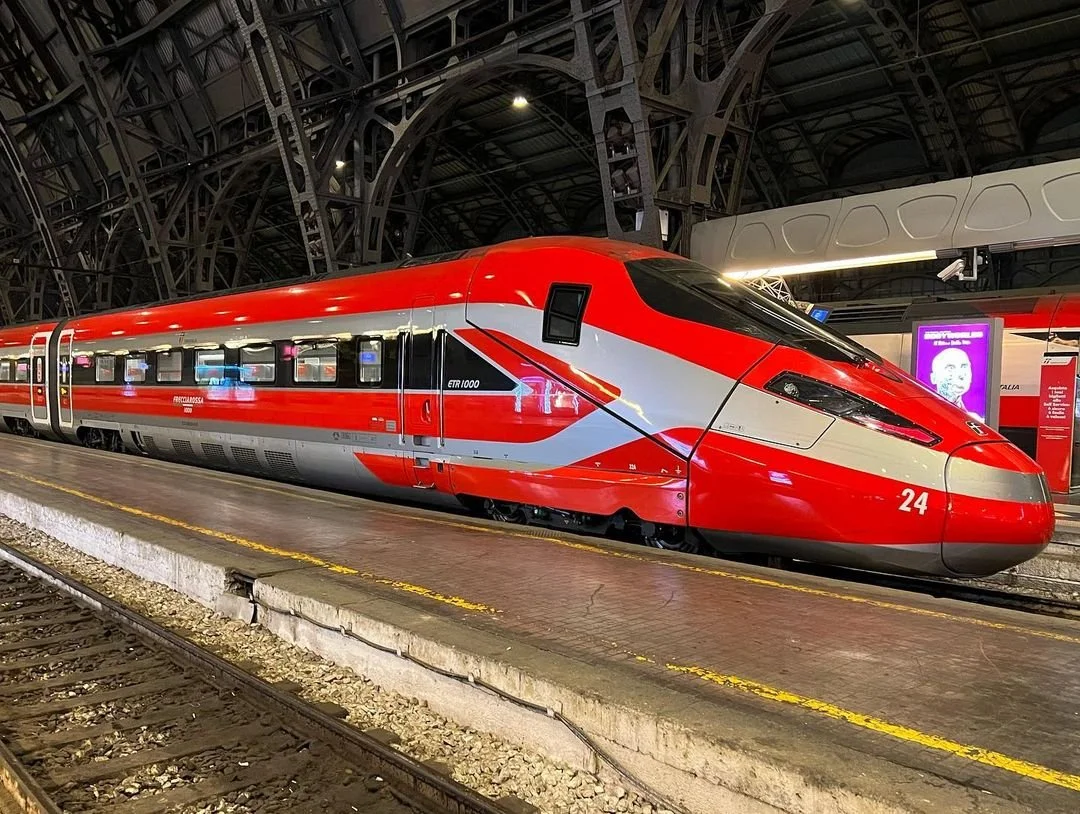
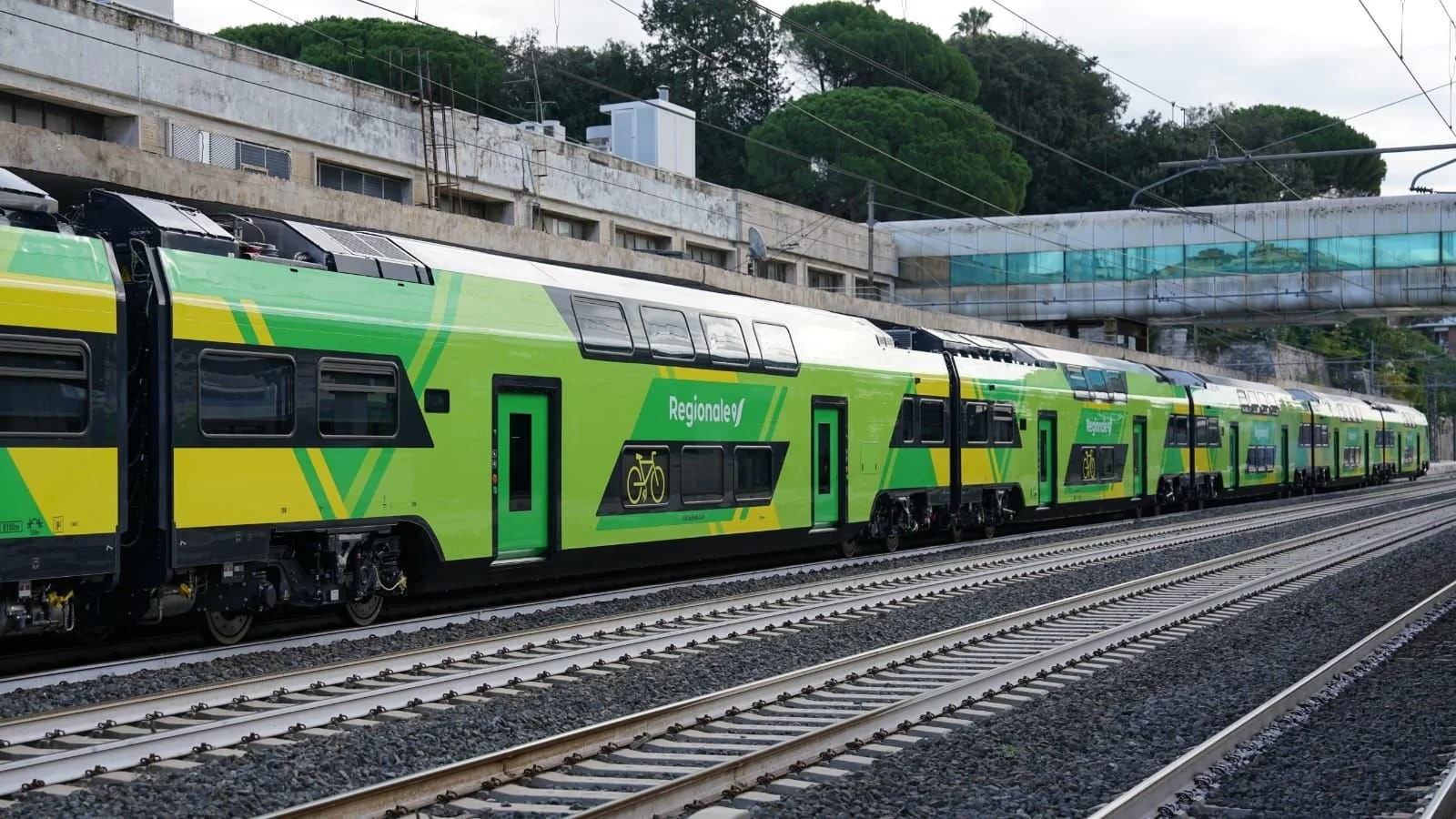
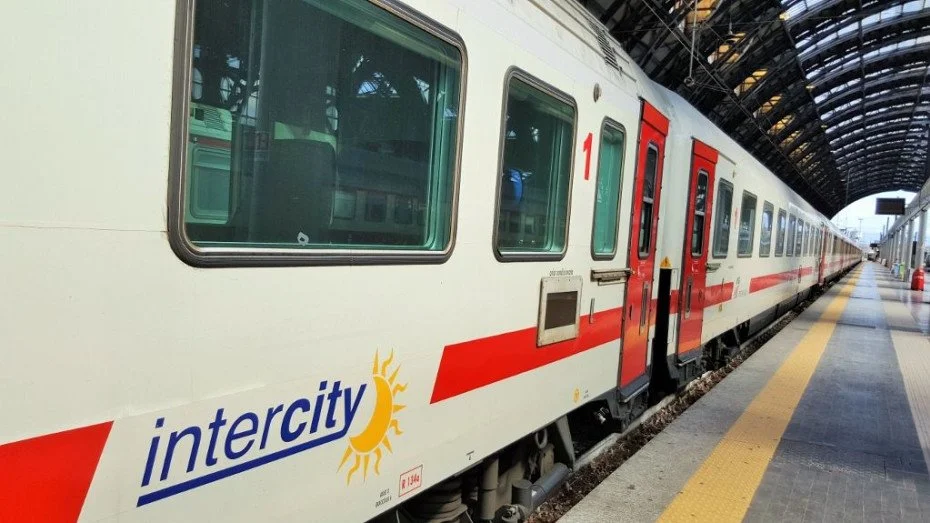
In Italy, the high-speed Frecciarossa is a different proposition from the regional services which is different again from intercity - and the branding makes that difference obvious before you have even boarded.
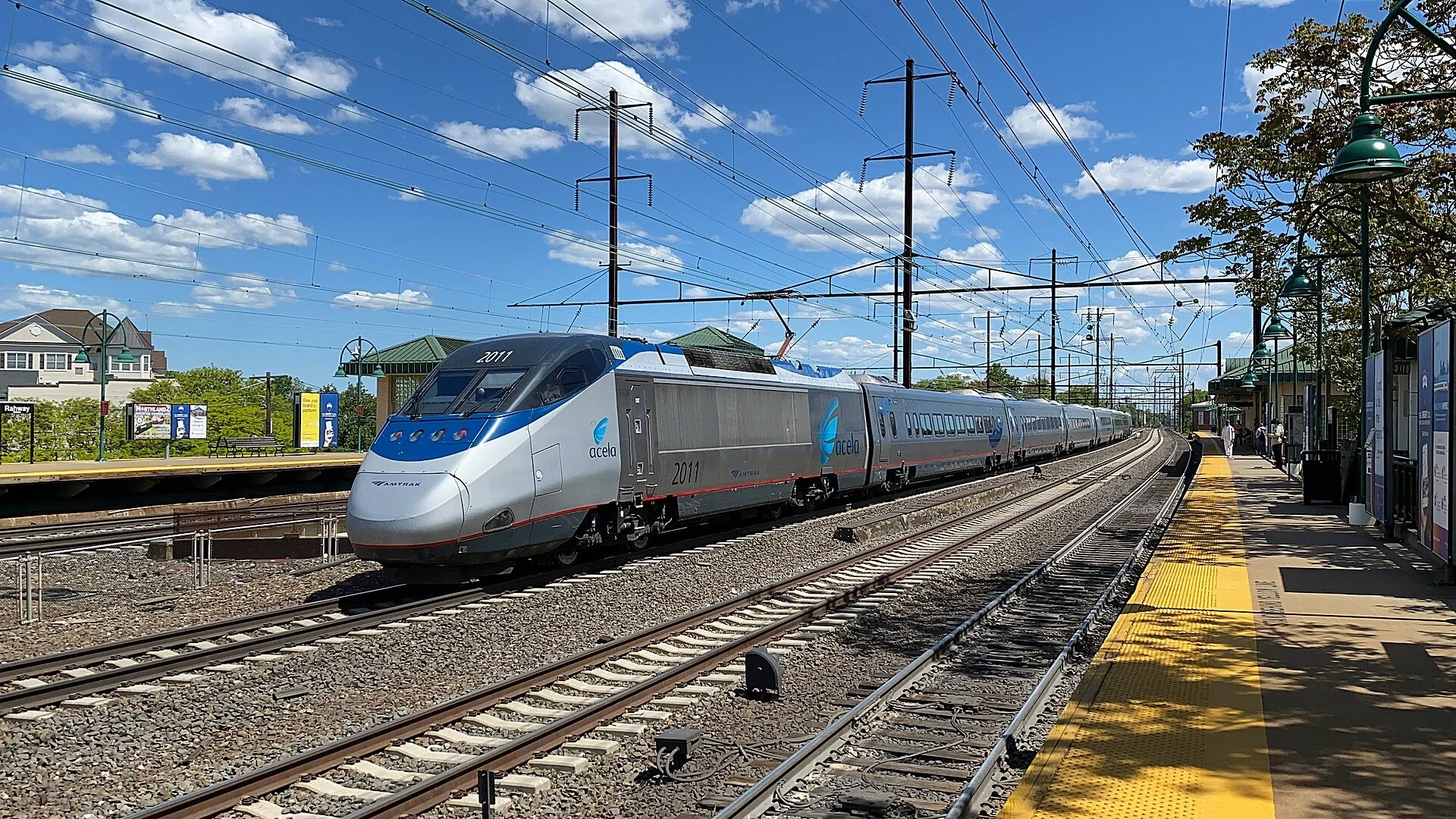
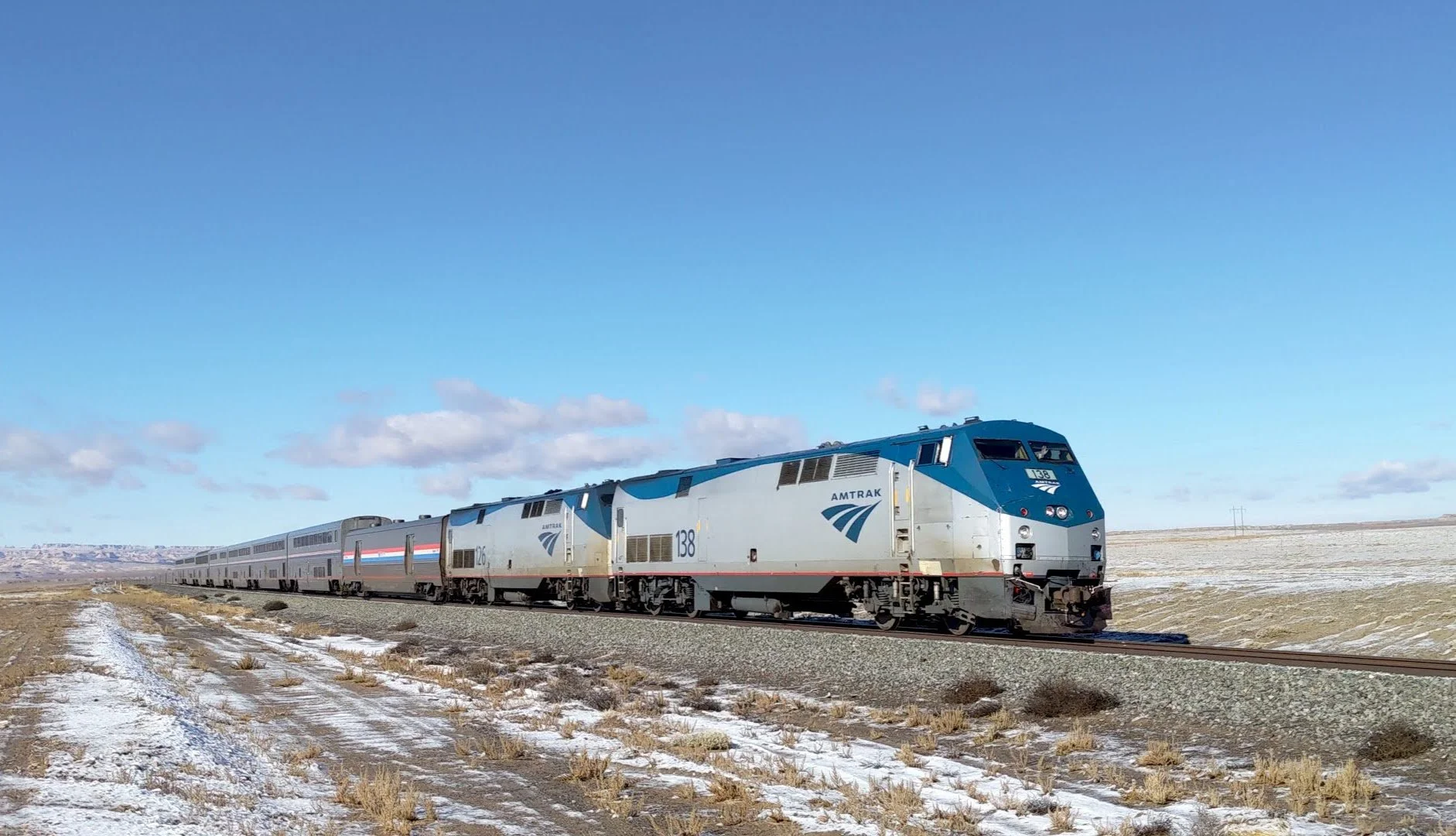
Even Amtrak, the state railway in the country that’s almost given up on passenger railways, gives its intercity north-eastern service the Acela identity, because the experience is different to its normal long-distance Superliner service, and customers need to know that.
In every case, the brand is organised around the customer's experience, not around the engineering underneath it.
The engineering-led approach we are taking is, as far as I can establish, more or less unique. And it does not appear to be unique because someone has worked out it is better.
Whose needs are being served?
The sense I get is that the brand strategy that exists is a political one. The aim seems to be to get as many red, white and blue trains onto the network as possible, to provide a physical manifestation of a manifesto promise being delivered.
I worry that the needs of the Downing Street communications grid are being put ahead of the needs of rail users.
If the Government wins a second term, the consequences of that choice will start to be felt, and it is the passenger who will feel them.
Someone buying a ticket for a long inter-city journey has different needs from someone hopping on a turn-up-and-go suburban service.
An intercity customer wants to know they can reserve a seat with their family, to be able to sit in a quiet coah, to be able to buy a coffee. They’re actually slightly less bothered about arriving precisely on time, as long as the Wifi works.
A customer on a local suburban train wants to know that the train will arrive precisely on time, that there’ll be another one along if they miss it, want a super-simple ticketing system and that they can use the same ticket on the local bus.
A brand organised around the experience instantly tells customers which of these types of service a train is. A brand organised around the infrastructure region tells them nothing useful at all, because a single infrastructure region might contain both kinds of journey.
The result is a passenger who cannot easily tell what they are being sold.
We have been here before
None of this is new.
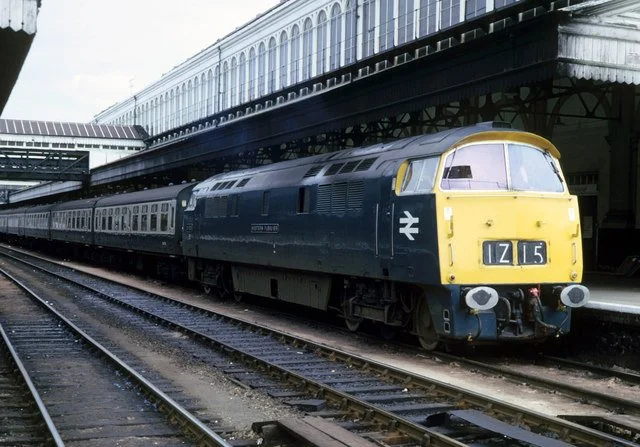
A British Rail Western Region train. Photo by Roger Geach.
What is being reached for now - a single national corporate identity, divided into geographic regions - is precisely where British Rail started.
And it is worth remembering what happened next. British Rail found, over time, that a single undifferentiated identity did not serve its customers well, and it moved deliberately in the opposite direction.
It created sectors built around the customers’ journeys. InterCity became one of the most respected travel brands in the country, with a promise that meant something specific to the people who bought intercity tickets. Network SouthEast gave the London commuter services a recognisable label. Regional Railways was less successful as it was so obviously ‘the rest’. But the principle was sound.
We appear to be preparing to walk into a room that British Rail spent years extricating itself from.
Brands that already mean something
In the bathwater of unnecessary and confusing railway brands (Great Northern - which only serves the south, South Western - which primarily serves the south east , etc) there are some that already mean something valuable to customers.
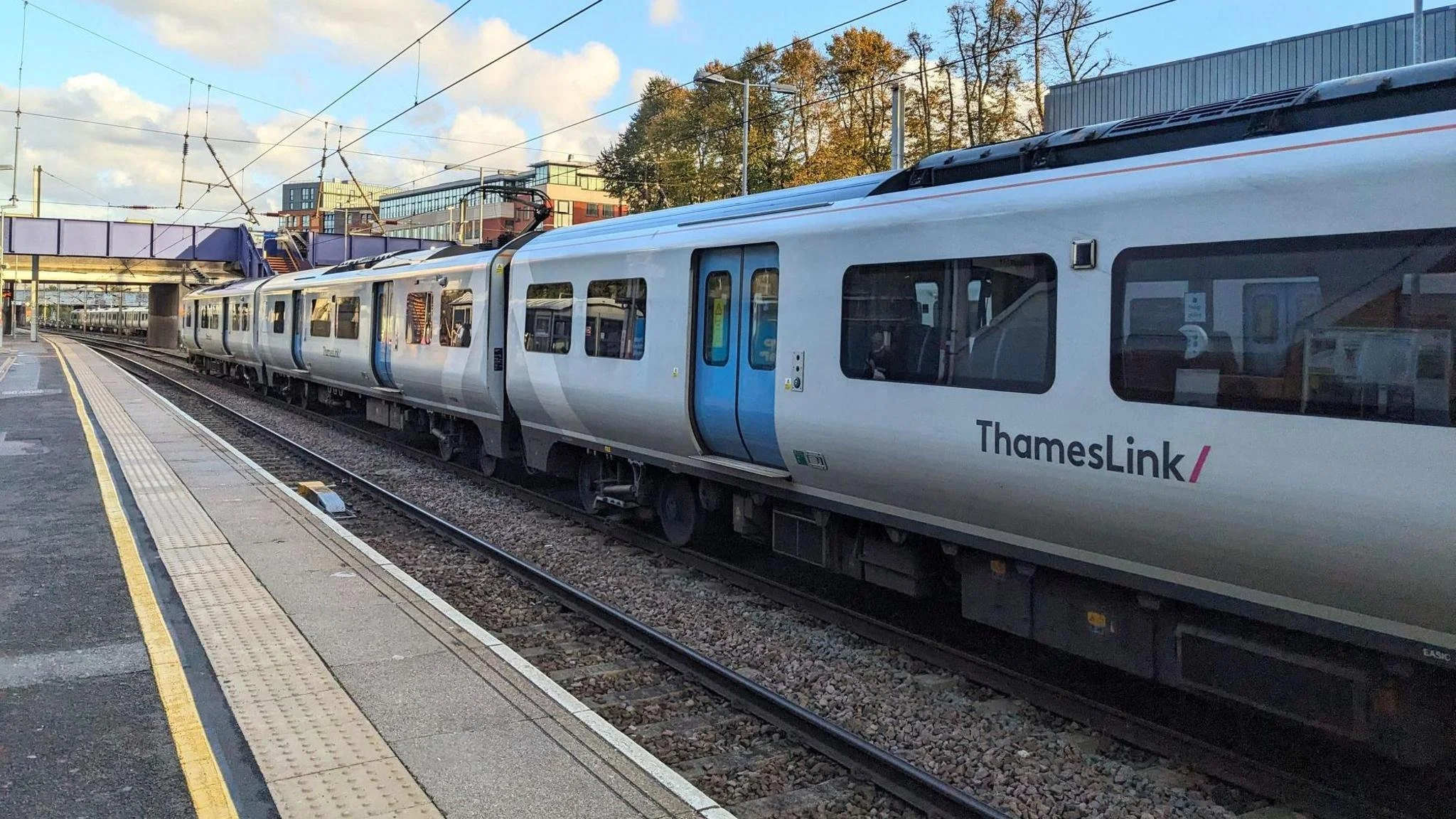
Like “Elizabeth line”, Thameslink means a regional train that crosses central London
Think about Thameslink. A passenger knows exactly what Thameslink offers: frequent, high-capacity trains running straight through central London without the bother of changing at a terminus. The brand carries a promise.
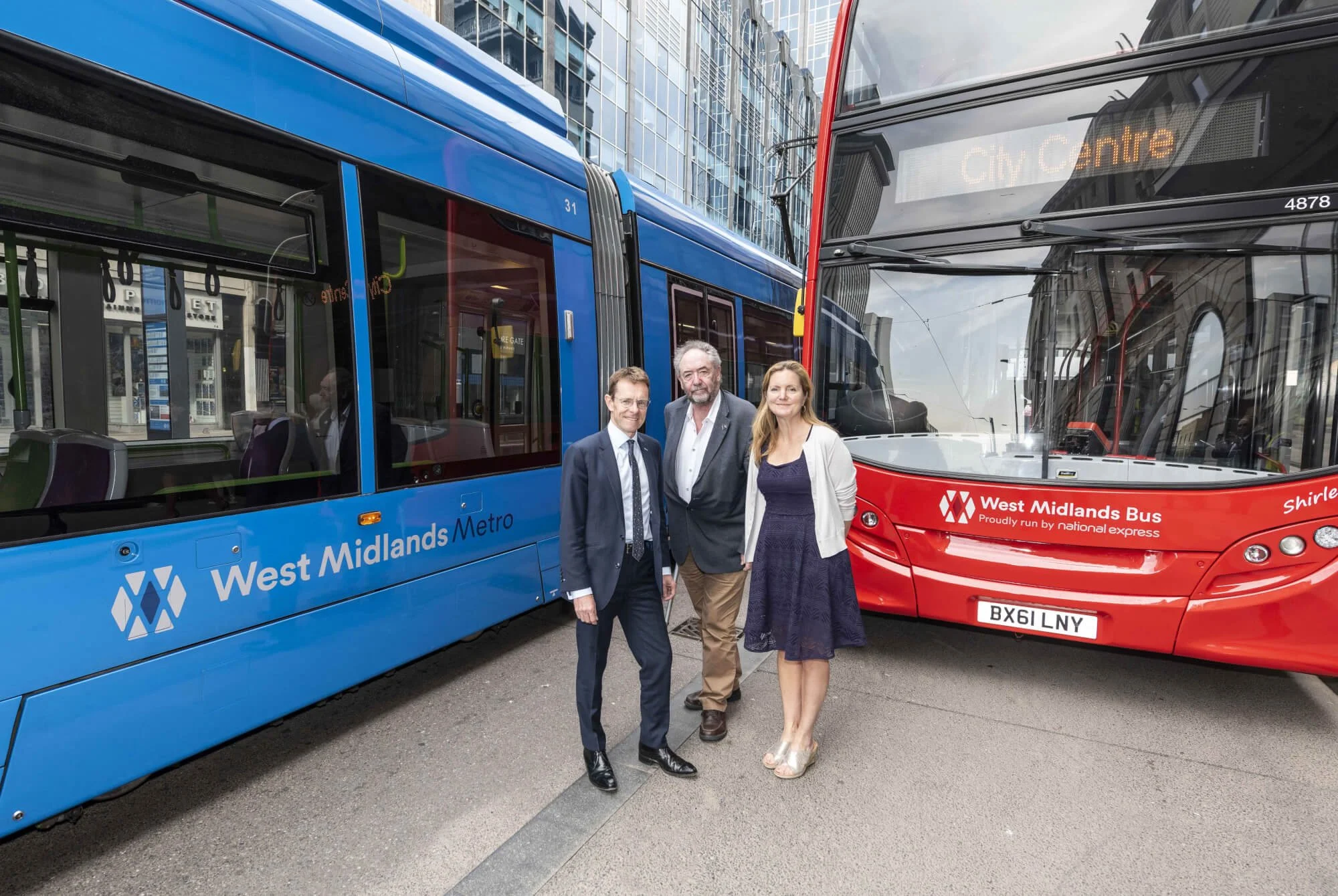
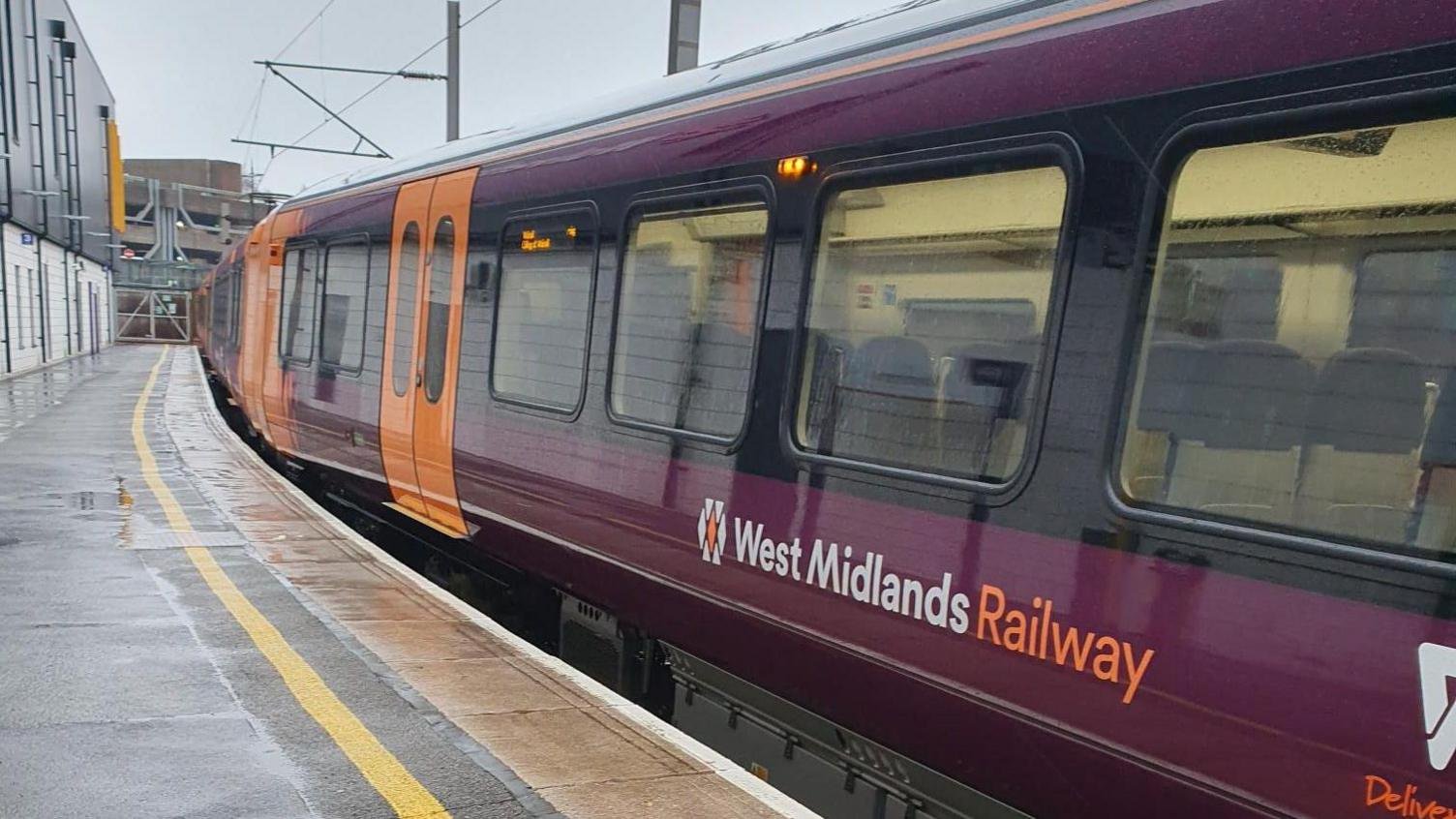
Think about West Midlands Railway, which tells a passenger they are on the regional network serving Birmingham and the wider West Midlands, part of a co-branded integrated transport network for the West Midlands alongside buses and trains - all using the same diamonds logo. The DfT hasn’t got the power to scrap the London Overground roundel; should it scrap the West Midlands Railway diamonds, just because it can?
Think about LNER, a brand with genuine warmth and a clear inter-city promise on the East Coast Main Line. Long term, maybe that should be a rejuvenated Intercity brand - but it’s absurd for LNER to carry the same brand as the former c2c.
Brand architecture and organisational structure are different things
I want to be very clear about something, because this point is very easily misunderstood.
This is not an argument about organisational structure.
Integrating track and train makes a great deal of sense. Doing that integration on a regional basis also makes a great deal of sense.
The reason the Secretary of State's words filled me with horror is that they revealed an underlying assumption: that the customer-facing branding has to reflect the way the organisation is run.
Go to any commercially successful consumer business and you will find that the opposite is true.
Successful businesses deliberately keep their brand architecture and their organisational structure separate, because the two things are doing different jobs.
Unilever is organised internally around manufacturing categories and supply chains. What the customer sees is Marmite, Magnum, Dove and Hellmann's, each a distinct brand with its own promise. The way the company is organised on the inside bears no resemblance to the way it presents itself on the outside. Just imagine if they organised their brands by which factory produced which product. That would be mental, right? Should we do that? Really?…
Well, we’re about to.
The Volkswagen Group runs Volkswagen, Audi, Škoda, SEAT and Porsche as separate brands with separate promises, while sharing platforms, factories and engineering underneath. A great deal of what sits beneath an Audi and a Škoda is common. The customer neither knows nor cares, because the brands are built around what the customer wants, while the engineering is organised around what is efficient to build.
The railway can do that too. Indeed, it should.
If we decide that customers would benefit from being able to deal with an inter-city business, and a Thameslink, and a West Midlands Railway, that does not require GBR to be organised along those lines. The brand architecture can follow the customer's journey while the organisation follows the logic of efficient delivery. These are separate decisions, and they should be taken separately.
The thing that is missing
GBR has an emerging organisational structure.
What it urgently needs, and does not yet appear to have, is a brand strategy.
Yet the trains are already being painted.
I provide strategic advice and support to the leadership teams of transport authorities and operators. Please do contact me if I can help you.